Our Home Builders Association serves as an advocate for housing issues. We partner with local and state government to insure high standards of construction and development are met, while incorporating sensitivity to the natural surroundings that reflect our commitment to enhancing the community’s quality of life. When we are addressing building issue or fees the ultimate result will be to you, the consumer. We believe in fairness in our industry and we will continually strive for this on all levels.
What It Takes To Be a Home Builder
I recently read this article by Brandon Perkins,Oklahoma that hit home. It puts into words exactly what our industry goes through every day to build housing in America.
A home builder guides dozens of skilled artisans and professionals, including carpenters, architects, engineers, plumbers, electricians, painters and landscapers. The builder must understand all of the home’s complex systems and know enough about each contractor’s trade in order to coordinate this skilled team to build and sell a quality product.
Some home builders develop the land on which the homes are built. They look at a piece of land to determine whether it complies with zoning regulations, local planning laws and environmental restrictions, and whether it is suitable for development. The home builder studies the lot’s topography, searching for rock outcroppings, shallow depth bedrock, shallow groundwater, natural drainage sources and dense vegetation. Landscaping options and erosion control also have to be considered. Once a builder determines that a site is suitable for construction, they must navigate the permitting process.
Home Builders serve as liaisons with their communities and local government officials. They research and study local building codes to determine what can be built in a given location. Building codes govern building, plumbing, heating and air conditioning, electrical systems and fire safety.
Get Cooking this Summer with an Outdoor Kitchen
Most home owners will agree that it’s just not summer without the sizzle of the grill. But running back and forth from the kitchen to the barbeque can get old quickly. Outdoor kitchens make life easier for those who frequently enjoy grilling their meals, can enhance your home’s resale value and enjoy growing demand among prospective home buyers.
Here are a few questions to take into account when determining if an outdoor kitchen is right for you.
What works best in your space? Outdoor kitchens can be as elaborate — or as simple — as you’d like. But to make the most of your new space, you need to carefully consider the design. Have a professional check the patio or deck where you plan on building your outdoor kitchen beforehand. While most can support the additional weight, you may need to add structural support.
Think about how the space will be used. Do you want guests to eat outside or just mingle while you cook? What features (pool, trees, etc.) are already in your backyard and need to be worked around? Is there enough ventilation area so smoke from the grill can blow away?
Make sure there is plenty of space for people to watch without getting in the way or being too close to open flames. Typically, there should be 3 feet of space on either side of the grill for work space and food preparation.
 SOLAR ENERGY “Mother Nature’s Perfect Gift”
by: Solar-Fit
Here are a few ways you can benefit from harnessing the power of the sun to provide FREE ENERGY for your home or business.
Would You Enjoy Having Lower Electric Bills?
Then, think SOLAR and install a solar water heating system.
Whether you want to improve the home you live in, or you are building a new home, you can take advantage of the benefits and savings that solar utilization provides.
MONETARY BENEFITS
Installing a solar water h eating system will provide your family with a fantastic financial return. In an effort to encourage America to take advantage of the Sun’s FREE ENERGY, our government is providing a federal solar tax credit of 30% of your installed system’s cost.
Add these incentives to reduced monthly utility costs and it is easy to see why solar water heating is one of Florida’s most popular home improvements!
DOING YOUR PART FOR THE ENVIRONMENT
Since solar doesn’t require mining, transporting, or burning of fossil fuels, you will be reducing the emissions of harmful pollutants into the air. We all need to be “good stewards of the land” and a solar water heating system is a high return investment that makes perfect sense.
 Hurricane Season
June 1st is the start of the hurricane season each year. The nation’s top meteorologists are predict every year how many named storms they anticipate.
Is everyone prepared? The National Oceanic and Atmospheric Administration (NOAA) predict that a percentage of these hurricanes could be major storms. This year oceanic and atmospheric conditions in the Atlantic basin are expected to produce more and stronger hurricanes. Now is the time to put a plan into action for your family and your business.
 How to Speak Remodeling
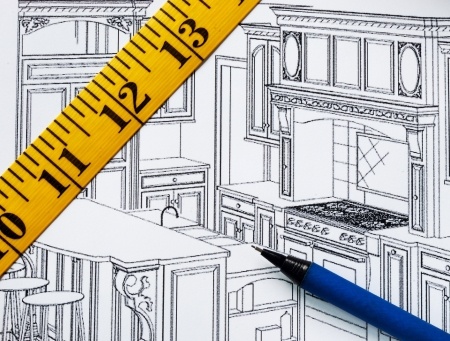
Remodeling is popular year-round, and the industry is growing every year. Whether it’s a small cosmetic remodel such as replacing bathroom fixtures, or a major down-to-the-wall-studs overhaul of your kitchen or adding new space to your home, understanding the terminology your professional remodeler is using can be very helpful to ensure you get the finished project you want.
As you interview potential contractors, this glossary of common terms used by builders and remodelers will help you understand the language of your remodeling project — and help you avoid miscommunication with your contractor.
Allowance: A specific dollar amount allocated by a contractor for specified items in a contract for which the brand, model number, color, size or other details are not yet known.
Bid: A proposal to work for a certain amount of money, based on plans and specifications for the project.
Building Permit: A document issued by a governing authority, such as a city or county building department, granting permission to undertake a construction project.
Call-back: An informal term for a return visit by the contractor to repair or replace items the home owner has found to be unsatisfactory or that require service under the warranty.
Change Order: This is written authorization to the contractor to make a change or addition to the work described in the original contract. The change order should reflect any changes in cost.
Cost-plus Contract: A contract between a contractor and home owner that is based on the accrued cost of labor and materials plus a percentage for profit and overhead — also known as a time-and-materials contract.
Draw: A designated payment that is "drawn" from the total project budget to pay for services completed to date. A draw schedule is typically established in the contract.
Lien Release: A document that voids the legal right of a contractor, subcontractor or supplier to place a lien against your property. A lien release assures you that the remodeler has paid subcontractors and suppliers in full for labor and materials.
Mechanic’s Lien: A lien obtained by an unpaid subcontractor or supplier through the courts. When enforced, real property — such as your home — can be sold to pay the subcontractor or supplier. If a subcontractor or supplier signed a lien release, then this lien cannot be enforced.
Plans and Specifications: These are drawings for the project, and a detailed list or description of the known products, materials, quantities and finishes to be used.
Punch List: A list of work items to be completed or corrected by the contractor, typically near or at the end of a project.
Subcontractor: A person or company hired directly by the contractor to perform specialized work at the job site — sometimes referred to as a trade contractor.
Search
Subscribe FREE
Our Millenium Club Members